 USD


trends fade, identity stay
Fashion has always moved between fitting in and standing apart. From punk scenes in the 1970s to the rise of hip-hop streetwear in the 1980s and 1990s, clothing has given people a way to express identities that mainstream culture often overlooked. Ripped fabrics, oversized silhouettes, graphic prints, and unconventional combinations were never just aesthetic choices. They carried the influence of music, neighborhoods, communities, and people who wanted to define themselves on their own terms.
Today, trends move faster than ever. An outfit can become popular overnight and disappear from the feed a week later. But the most interesting part of fashion isn't how quickly a look spreads. It's what happens when someone takes a trend and makes it their own. A graphic sweater paired with worn denim, a dark print against an unexpected color, or a familiar silhouette styled in an unfamiliar way can say more about personal identity than an outfit assembled simply to follow what's popular.
Inspiration doesn't always come from the runway. It can come from underground music, old horror films, forgotten subcultures, religious symbolism, vintage graphics, or the imperfections of everyday life. These references give clothing a sense of history and meaning beyond its appearance. They remind us that style becomes more personal when it reflects something we genuinely connect with, rather than something we're told to want.
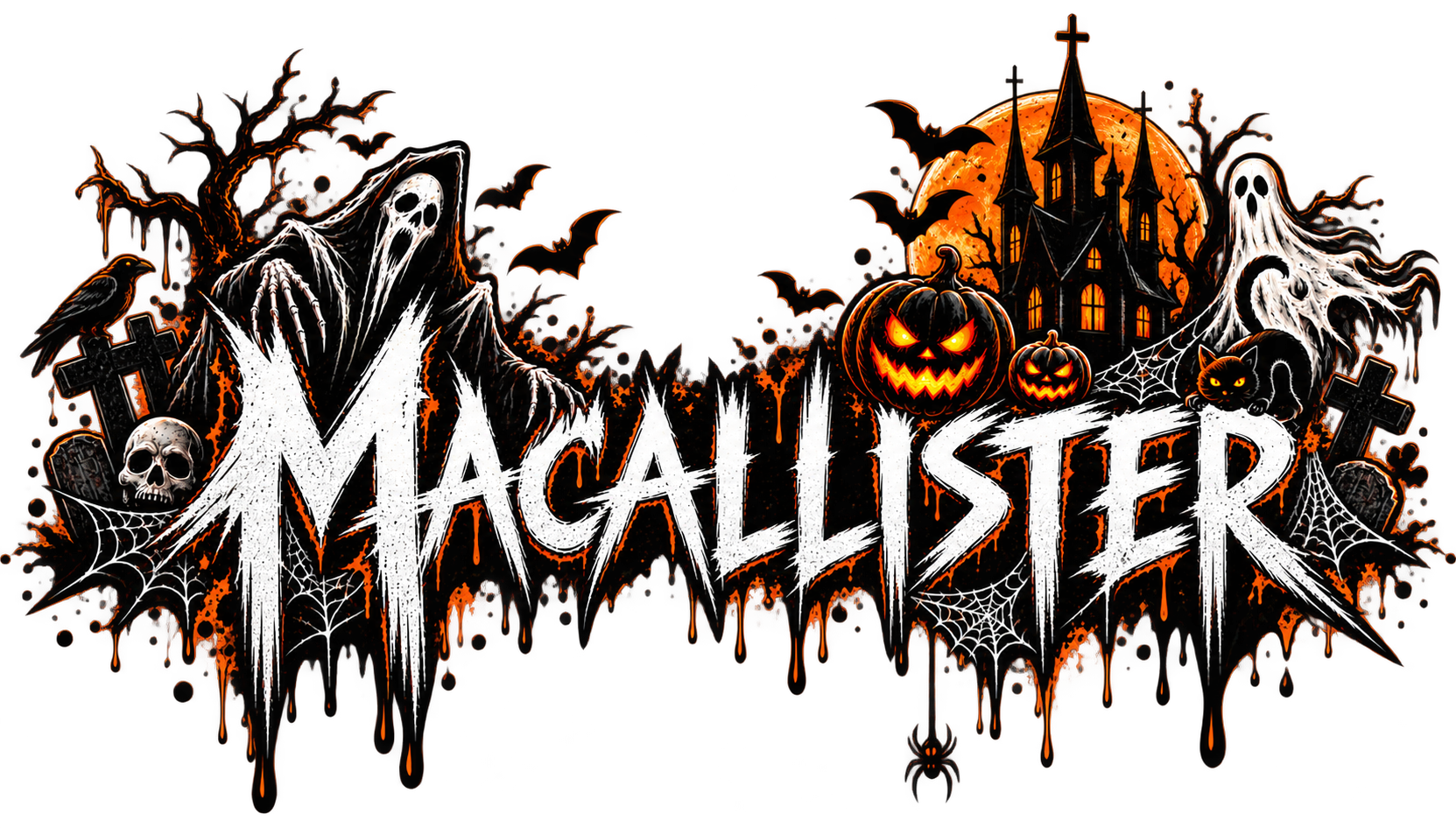
At MACALLISTER, we see dark streetwear as a space for that kind of expression. Not a uniform, and not a set of rules, but a way to explore contrasts, challenge expectations, and wear something that feels true to you. Trends can offer ideas, but they don't have to decide who you are.
The next time you look for inspiration, don't just ask what's trending. Ask what resonates with you, what you want to express, and what you'd still wear after the trend has passed. Because fashion may change with every season, but a style built around your own identity has no expiration date.

